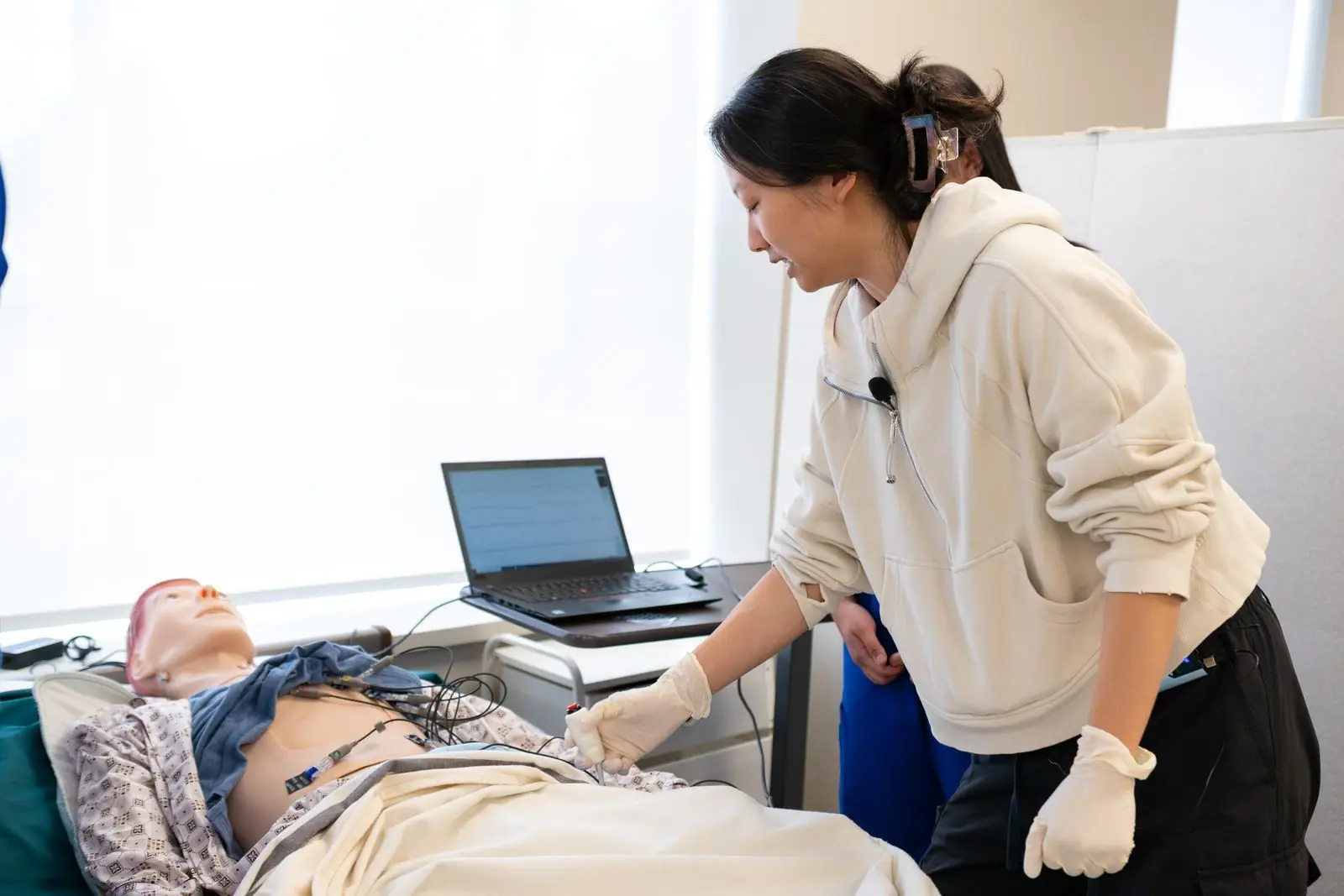
MOCA components
MOCA includes continuing medical education and self-assessment, longitudinal assessment, practice improvement activities, plus professional standing requirements. The ABA specifies acceptable CME and self-assessment credits and how they are reported. Diplomates should check the ABA's definitions and ensure that activities are documented through the required channel. State license CME requirements remain separate and may require specific topics or credit types that are not identical to MOCA.
MOCA Minute is the ABA's longitudinal assessment component. It uses periodic questions to support continued engagement with anesthesia knowledge and provides feedback to guide further study. Its design emphasizes regular participation and learning over time. Diplomates should review the ABA's instructions for participation frequency, minimum completion expectations, and what to do if an activity is missed. The board controls how participation contributes to continuing certification and may update the format or rules.
Practice improvement asks diplomates to engage with activities related to the quality and safety of care. Depending on the applicable ABA pathway, this may involve selecting an activity, reflecting on practice, or documenting participation in an accepted improvement effort. Physicians should use ABA-approved guidance to identify qualifying activities and preserve the evidence requested by the board. Not every workplace quality project automatically counts.
Professional standing and subspecialty certification
Maintaining an unrestricted medical license and meeting ABA professional standing requirements are central parts of continuing certification. The ABA also provides pathways and requirements that may differ for subspecialty certificates. Diplomates with more than one credential should confirm whether an activity applies to each credential or whether separate steps are needed. Questions about a lapse, leave, disability, retirement, or a change in practice should be directed to the ABA because individual circumstances may be addressed by specific policies.
Managing the program
Diplomates can review the ABA portal to identify their MOCA status, completed components, and outstanding requirements. Spreading CME, self-assessment, question participation, and improvement work across the applicable period can make completion easier to manage. Keep certificates, portal confirmations, and project documentation in case records need to be reconciled. MOCA status does not replace hospital privileges, state licensure, employer requirements, or clinical competence assessments conducted by other organizations.
The ABA sets current program rules and decides which activities and accommodations it accepts. Check the ABA portal for an individual certification status. This overview is informational and does not establish compliance. Verify with the board: consult the official ABA MOCA materials and contact the ABA directly about individual requirements or records.
Official source: American Board of Anesthesiology. Informational only; confirm requirements with the board.